☰
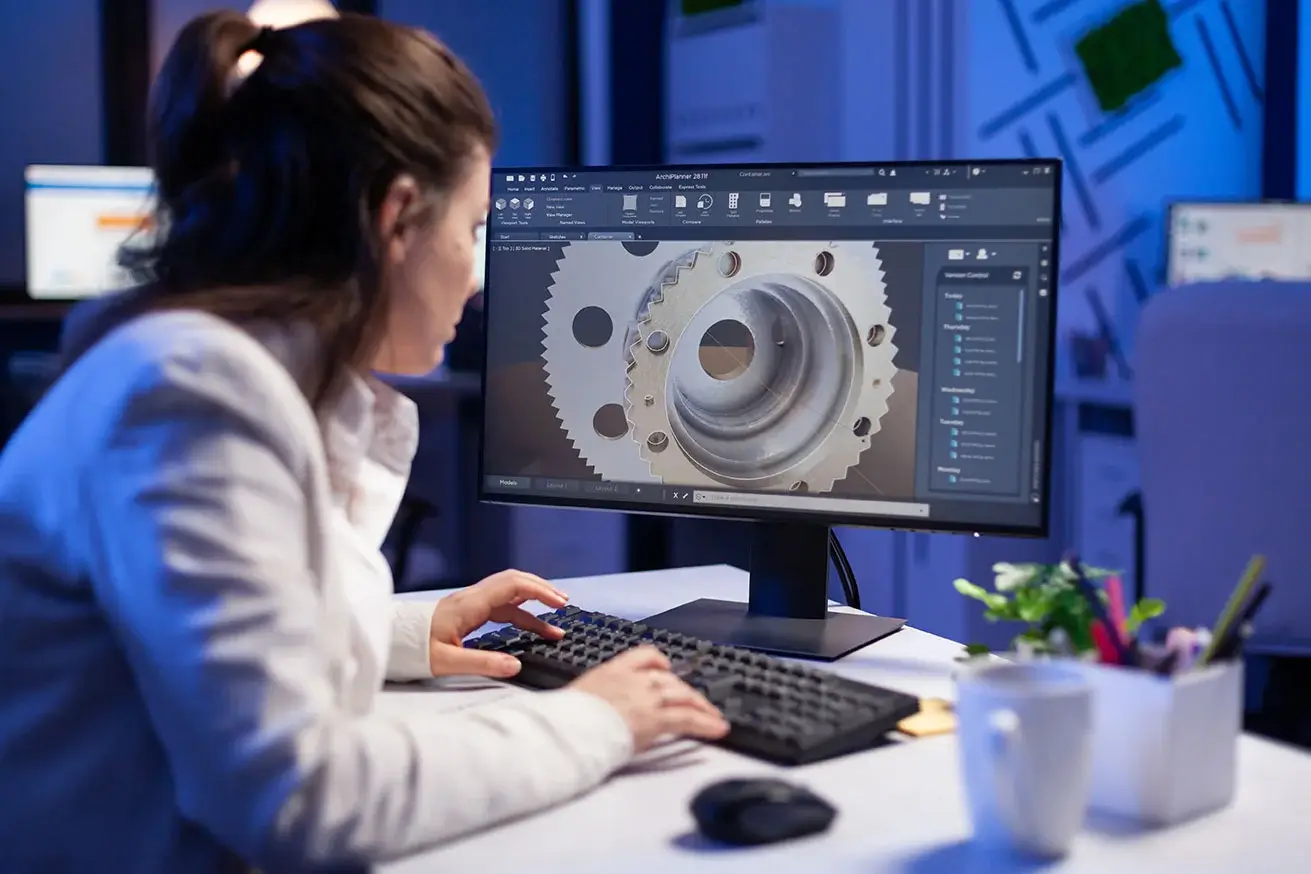
Outdated designs and unoptimized engineering choices make many products and machine systems costly, challenging to assemble, or inefficient when used. Due to which there is a raise in the cost of production, maintenance efforts, and engineering rework. It also affects the overall product reliability. Our Product and Value Engineering Services assist in enhancing manufacturability, simplifying designs and optimizing the performance of the product to the actual production environment.
Our engineering solutions focus on:
The incorrect product design choices may result in higher costs of manufacturing, assembly problems, and lower reliability of the product when in use. Poor engineering habits usually result in delays in production, inconsistency in suppliers, and the wastage of the redesign work. The Product and Value Engineering strategy that we use is aimed at enhancing the manufacturability, cost reduction and long-term product performance.
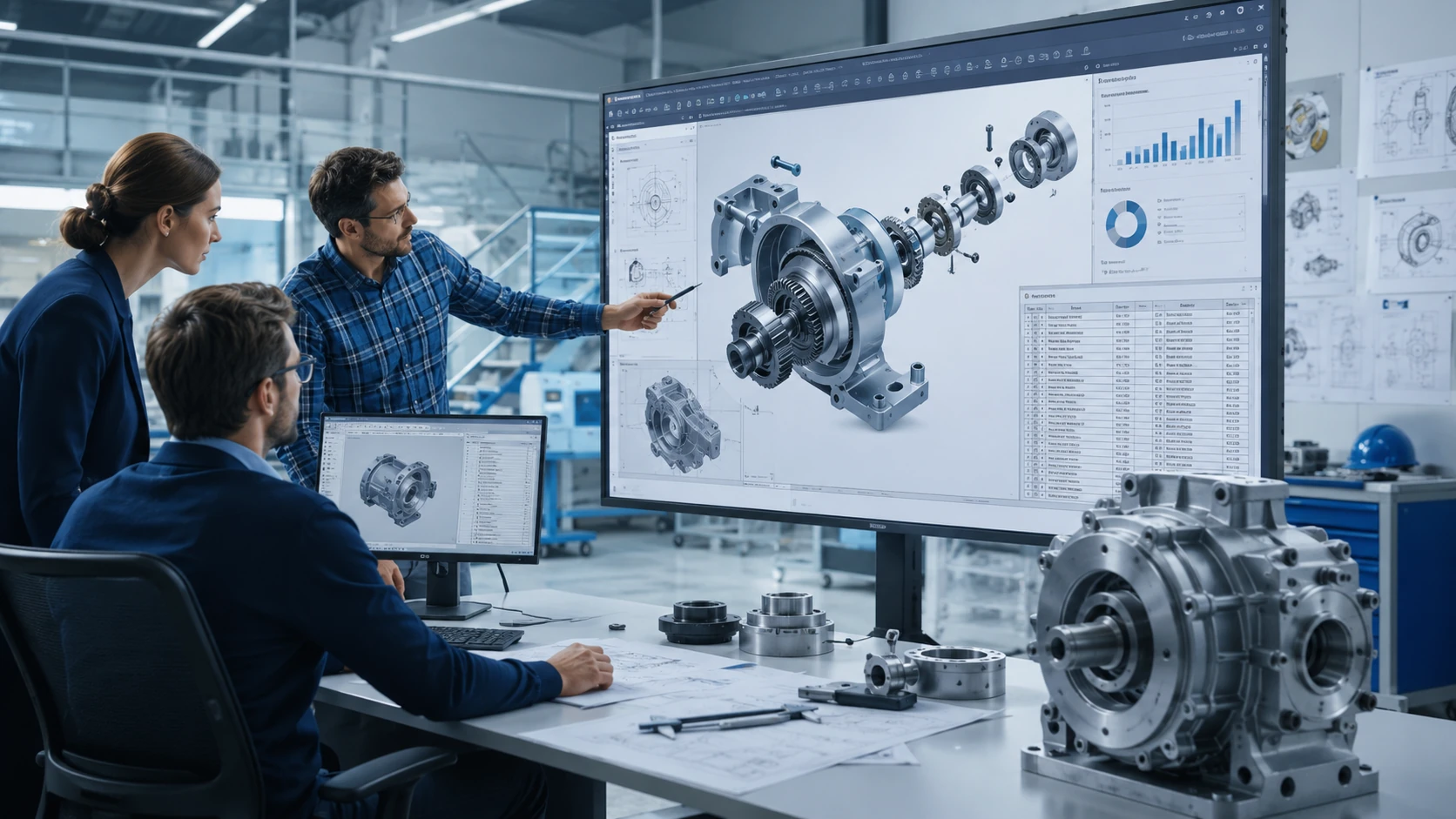
Speak directly with our engineering team to evaluate your needs, validate feasibility, and plan the right technical approach.
The consequences of ineffective engineering decision-making and poorly optimized product design can be high product costs, frequent manufacturing rework, challenging assemblies, and inconsistent supplier output. We offer our services to help minimize the complexity of production, enhance manufacturability, and enhance the reliability of products through practical engineering solutions.
We redesign machine parts, sheet metal assemblies, and structural systems, to enhance manufacturability, durability and production efficiency.
We find the opportunities to minimize machining operations, material consumption, fabrication time, and assembly costs without impairing the product functionality.
We streamline the fabrication techniques, minimize tooling, and streamline component geometry, leading to a high consistency of production and faster production.
We eliminate unneeded fasteners, streamline assembly steps, and streamline part interface to cut assembly time and manufacturing errors.
We substitute costly or hard to find materials with viable alternatives depending on the operating conditions, availability, manufacturability and performance specifications.
We enhance product strength, stiffness, load handling, vibration resistance, and fatigue performance to suit challenging conditions in the industrial operation.
Analytical engineering calculations and verification techniques are the means through which we verify the structural loads, stress conditions, safety margins, and design assumptions.
We streamline designs based on supplier manufacturing capabilities, machining limits, fabrication techniques and production process needs.
We re-engineer imported or expensive parts to local production, alternative sourcing and less production dependence.
Different industries face challenges such as high production costs, inefficient product designs, manufacturing delays, and difficult assembly processes. These issues can reduce operational efficiency, increase engineering rework, and create maintenance problems. We help industries improve manufacturability, product reliability, and production efficiency through practical engineering and design optimization solutions.
Large machinery projects often face fabrication complexity and maintenance difficulties. We optimize machine structures, fabricated assemblies, and industrial equipment for better production efficiency.
Poorly designed automation systems can interrupt workflow and increase downtime. We improve conveyors, fixtures, machine assemblies, and production systems for smoother manufacturing operations.
Automotive components require accurate fitment and efficient manufacturing processes. We optimize sheet metal parts, welded assemblies, and mechanical systems for production applications.
Industrial process systems require durable and maintenance-friendly engineering solutions. We improve structural supports, fabricated equipment, and process assemblies for reliable operation.
Precision engineering projects demand structurally stable and manufacturable systems. We optimize heavy assemblies, structural frames, and engineered components for production reliability.
Product development teams often struggle with manufacturing transitions and costly redesigns. We simplify product assemblies and improve manufacturability for faster production readiness.
Inefficient handling systems can slow production movement and increase maintenance effort. We improve conveyors, lifting systems, and packaging equipment for operational efficiency.
Energy sector equipment requires durable and production-ready mechanical systems. We optimize industrial skids, equipment frames, and support structures for demanding environments.
Missing specifications, unclear drawings, and inconsistent engineering documentation can create procurement delays, supplier confusion, assembly issues, and manufacturing rework. We provide structured engineering deliverables prepared specifically for production, validation, sourcing, and long-term engineering support.
We provide detailed material specifications including grades, manufacturing compatibility, operating requirements, and performance considerations for production use.
We document cost reduction opportunities, manufacturing improvements, material substitutions, and redesign recommendations supported by engineering evaluations.
We prepare technical datasheets containing dimensions, operating parameters, material details, tolerances, and functional product specifications.
We deliver fully editable CAD models with organized feature structures for future engineering changes, revisions, and product updates.
We create detailed BOMs with part descriptions, quantities, material information, and procurement references for production planning support.
We provide engineering calculation documents validating structural integrity, load conditions, safety factors, and mechanical performance requirements.
Connect with our engineers to review scope, timelines, and the right execution strategy.
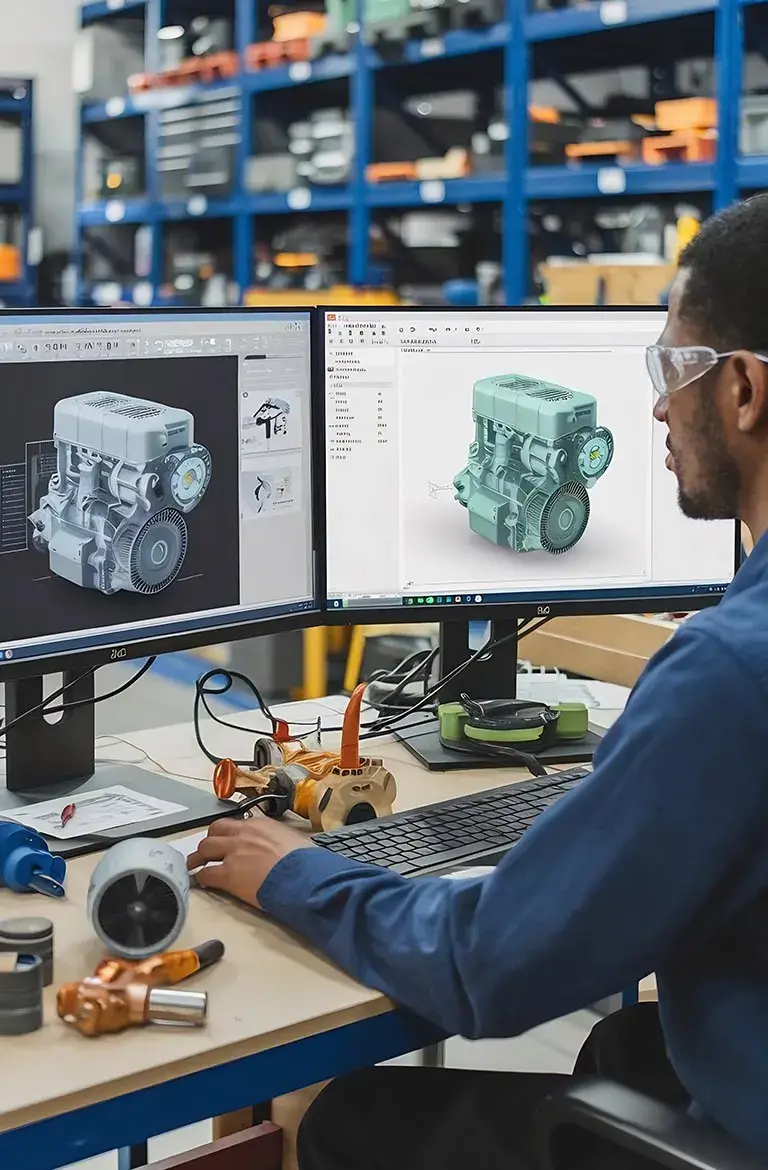
Projects that deal with product optimization and value engineering are mostly delayed by old CAD files, unlinked data with suppliers and uneven engineering records. Lack of revision control and incompatible manufacturing files may pose procurement challenges, redesign mistakes, assembly fails and inefficiency in production. Our software solutions facilitate cost-oriented product redesign, manufacturability enhancements, engineering validation and production ready documentation through industry-standard engineering tools.