☰

Unfinished sketches, and sketchy drawings, and ambiguous design inputs may slow down the project, introduce problems in review, and cause manufacturing errors. We assist in converting sketches, PDFs, and old files into precise, manufacturing-ready CAD models and drawings with correct structure, size, and tolerances- all ready to be manufactured and assembled without any unneeded rework.
The majority of problems in design projects are not a product of ideas, but rather of ambiguous drawings, absent details, or files which cannot be used directly in manufacturing. All these issues cause time wastages, misunderstandings and redundant amendments among groups.
Professional modelling and drafting can be used to eliminate these gaps by making designs clear, complete and ready to use.
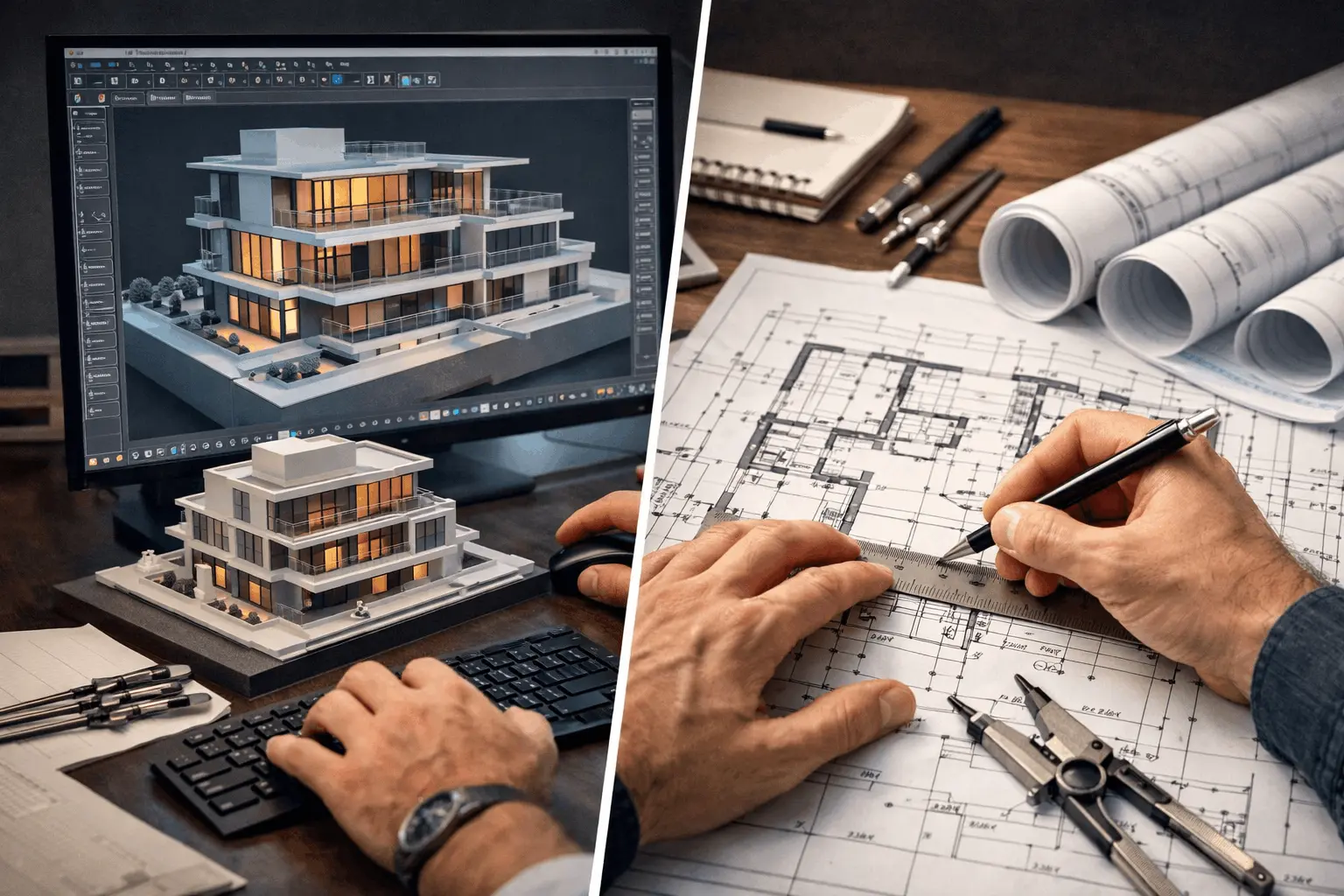
Speak directly with our engineering team to evaluate your needs, validate feasibility, and plan the right technical approach.
We offer a range of CAD modeling and engineering support that improves design accuracy, streamlines workflows, reduces errors, and ensures consistent, manufacturing-ready outputs across every stage of your design process.
Poorly structured models make future modifications difficult and increase revision time. We create feature-based parametric CAD models that maintain design intent, support controlled updates, and improve consistency across parts and assemblies.
Early-stage projects often face challenges related to space planning and arrangement validation. We develop concept and layout models that help evaluate fit, structure, and feasibility before detailed engineering begins.
Incomplete or unclear drawings can lead to manufacturing delays and rework. We prepare production-ready technical drawings with accurate dimensions, tolerances, GD&T, and detailed annotations for manufacturing and inspection.
Outdated drawings and inconsistent formats can affect productivity and reuse. We convert legacy files into updated CAD formats while applying standardized structures and documentation practices aligned with current workflows.
Uncontrolled tolerances can create assembly and alignment issues. We perform CAD-based tolerance evaluations to identify potential variation risks and support reliable fit and functional performance.
Clear documentation is essential for manufacturing, installation, and quality control. We prepare organized drawing sets and technical documentation that support smooth communication and execution across teams.
Assembly issues are often identified too late in the production cycle. We create assembly models and perform interference and clearance checks to validate fit, alignment, and functionality before manufacturing.
Accurate sheet metal development is critical for fabrication quality. We create production-ready sheet metal models with proper bend allowances, flat patterns, and tooling considerations.
Fabrication workflows require clear welding and material details. We prepare weldment models, fabrication drawings, weld symbols, and cut lists to support efficient shop-floor execution.
Manufacturing-oriented design improves production reliability. We develop models with appropriate draft angles, machining allowances, and process-specific considerations for casting, forging, and machining applications.
Visual models improve communication during design reviews and presentations. We create rendered models and presentation-ready visuals that help stakeholders better understand product structure and design intent.
CAD support is not sufficient in engineering projects. Models, drawings and documentation should be precise, editable and in tandem with manufacturing and quality requirements to prevent delays, rework and production problems. Our technical skills are aimed at generating structured engineering deliverables which enhance the clarity of design, validation, and facilitated coordination of design, manufacturing, and assembly teams.
Unstructured CAD models complicate revisions and add more engineering effort to the design updates. We design fully parametric models that are 3D with feature history organized and editable geometry that allow controlled edits but preserve design intent and consistency across assemblies.
Incomplete drawings can be quite confusing to make during fabrication and inspection. We generate 2D drawings with dimensions, GD&T, tolerances, weld symbols, surface finish specifications and technical annotations that are necessary to manufacturing and assembly processes.
Fitment problems are usually realized too late when making the product or it is being installed. Before assembly, we conduct interference checks, clearance analysis and digital assembly validation to detect issues of alignment and enhance the reliability of assembly.
The lack of tolerance management may cause assembly failures and unreliable product performance. CAD-based tolerance stack-up analysis We perform CAD-based tolerance stack-up analysis in order to analyze dimensional variation, facilitate functional fit, manufacturability, and design reliability.
The suppliers and engineering teams usually operate in various CAD platforms. We also sustain the native and neutral file formats such as STEP, IGES and Parasolid to facilitate easy data interchange, compatibility, and collaboration in diverse workflow.
Unplanned designs that fail to take into account the needs of production may lead to fabrication difficulties and extra machining. We create sheet metal, weldment, casting, forging, machined part models in which the manufacturing considerations are built into the design process.
Lack of coordination and approvals are delayed by disorganized engineering files and incomplete documentation. We deliver organized BOMs, exploded assemblies, technical documentation packages and structured deliverables that are ready to be manufactured and used by the suppliers.
All deliverables in any engineering project are checked to ensure that they are accurate, consistent, and meet project requirements and relevant standards to facilitate efficient production, inspection, and quality control procedures.
Fully parametric 3D CAD engineering models created in the customer’s preferred software formats. These models maintain mechanical design intent, allow for future changes, and support reuse across engineering projects.
Suppliers or teams using different CAD tools often cannot open native files. We provide STEP, IGES, or Parasolid files so models can be opened across platforms for review, manufacturing, and sharing without format issues.
Parts cannot be manufactured correctly when drawings lack dimensions or tolerances. We deliver 2D drawings with complete dimensions, GD&T, notes, and views required for machining, inspection, and assembly.
Missing or inconsistent part lists lead to ordering errors and delays. We provide Bills of Materials with part names, quantities, and assembly references, so procurement and assembly teams can use them directly.
Assemblies fail when part positions, fasteners, or sequences are not defined. We deliver assembly drawings and exploded views showing part placement, connections, and assembly order for use during build and installation.
When files are shared separately, teams miss critical information. We provide complete packages including CAD files, drawings, and supporting documents organized for manufacturing handover, supplier use, and internal review.
Connect with our engineers to review scope, timelines, and the right execution strategy.
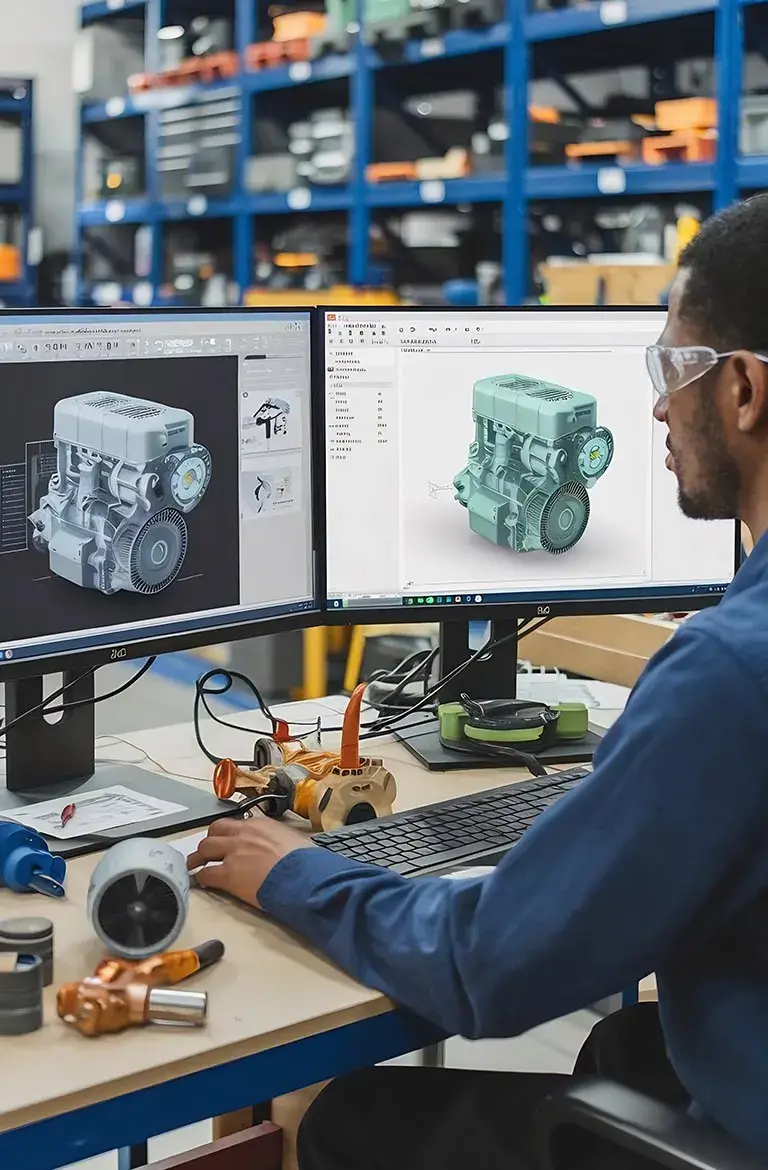
We work with widely used CAD and drafting platforms to support smooth collaboration, accurate file exchange, and efficient project execution. Our approach helps reduce compatibility issues, data loss, and workflow delays across engineering projects.