☰
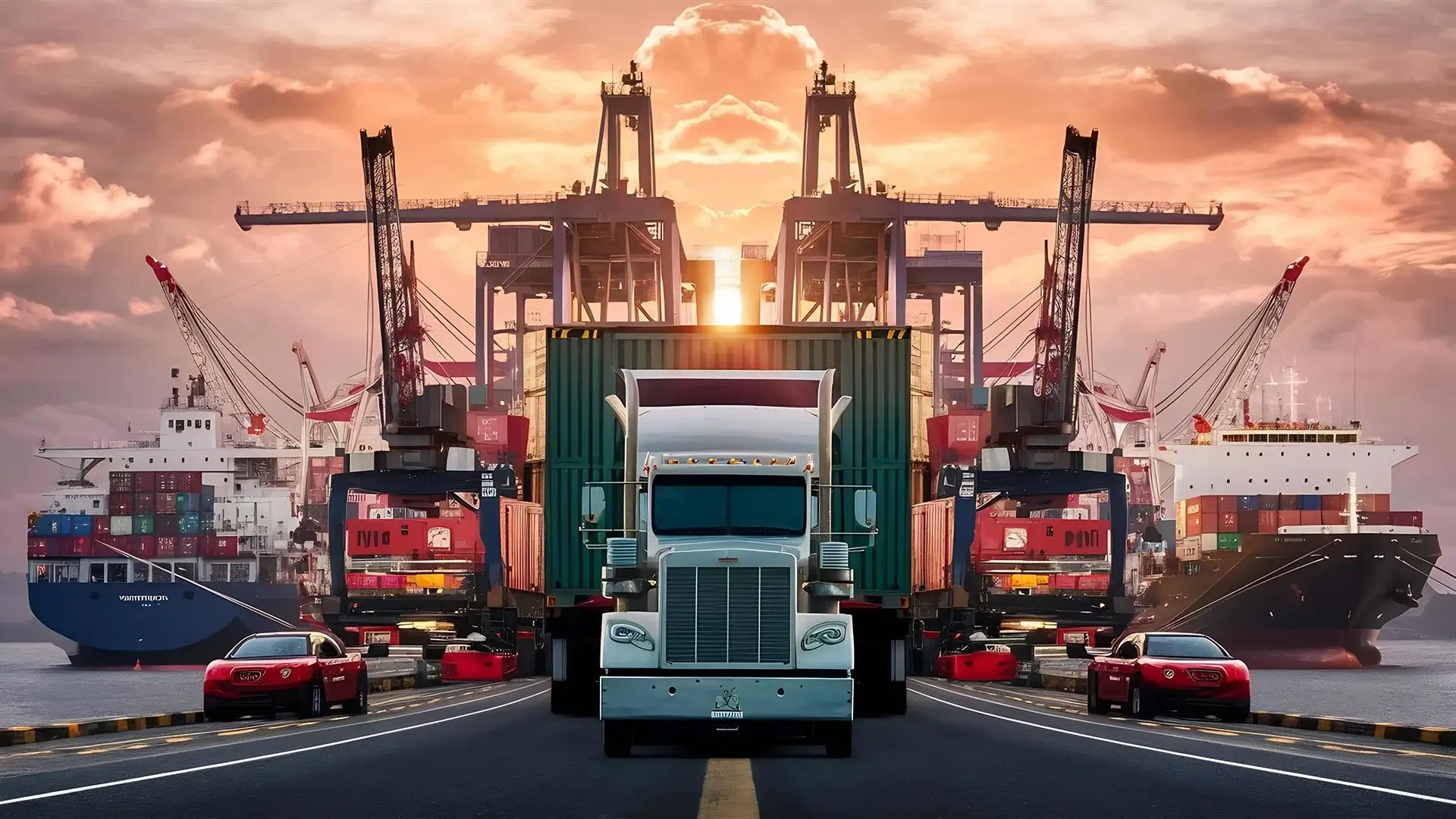
Defense and heavy logistics systems are designed for environments where reliability is critical, and failure is simply not acceptable. These platforms operate under extreme mechanical loads, harsh terrain conditions, and strict operational constraints—often far from controlled facilities or easy access to maintenance.
Engineering in this space demands more than strength alone. Systems must be transportable, durable, secure, and capable of performing consistently over long service lives. At Seashore, we support defense and heavy logistics programs with engineering solutions built around real operating conditions, deployment requirements, and lifecycle expectations.
Defense platforms and logistics equipment are routinely exposed to shock, vibration, blast effects, and dynamic forces during transport and operation. Structures must be designed to withstand both short-duration extreme events and long-term cyclic loading without loss of performance.
Equipment often needs to move by air, sea, and land while meeting strict size, weight, and balance limits. Designs must support frequent relocation, rapid deployment, and compatibility with standard military transport and handling systems.
In defense applications, equipment failure can compromise safety and mission outcomes. Designs must emphasize reliability, predictable behavior, and fail-safe operation across all expected use scenarios.
Defense programs require strict control over engineering data and documentation. Workflows must support confidentiality, restricted access, traceability, and compliance with government standards.
Systems may be deployed in deserts, arctic regions, offshore locations, or high-humidity zones. Designs must account for extreme temperatures, corrosion, dust, moisture, and mechanical abuse.
Defense and logistics assets are often expected to remain in service for decades, with limited opportunities for inspection or repair. Durability, wear resistance, and practical inspection strategies are essential.