☰
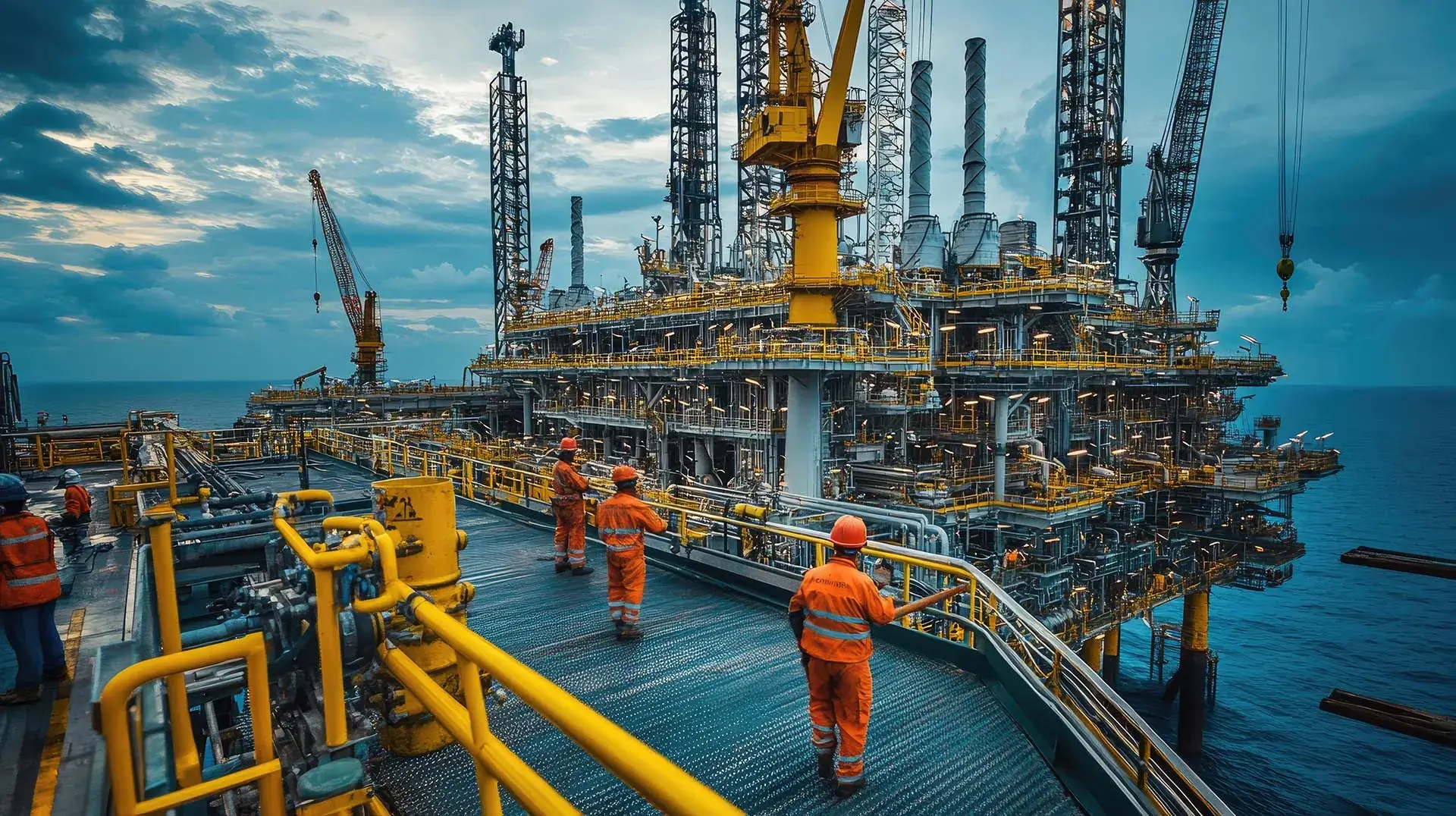
Oil and gas facilities operate in some of the harshest conditions in industry. High pressures, elevated temperatures, corrosive environments, and continuous operation place significant demands on both equipment and structures. Many assets are located offshore or in remote areas, where access is limited and reliability is critical.
Engineering in this sector must balance safety, regulatory compliance, and long-term performance across the entire asset lifecycle. At Seashore, we support oil and gas projects with practical, code-compliant engineering solutions that reflect real operating conditions—from early design through brownfield upgrades and life-extension work.
Oil and gas systems routinely operate under severe pressure and temperature conditions. Designs must account for material behavior, thermal expansion, and stress limits to ensure safe, predictable operation over time.
Pressure fluctuations, flow-induced vibration, and rotating equipment introduce cyclic stresses that can lead to fatigue damage. Accurate fatigue assessment is essential for managing long-term reliability and risk.
Projects are governed by a wide range of international codes and standards. Engineering solutions must clearly demonstrate compliance to support approvals, audits, and certification.
Exposure to hydrocarbons, seawater, sour service, and process chemicals accelerates material degradation. Careful material selection and corrosion protection are key to achieving design life targets.
Offshore platforms and modular skids impose tight limits on footprint and weight. Structures must be optimized for efficiency without compromising safety or maintainability.
Assets are often expected to operate for decades with minimal intervention. Designs must emphasize durability, inspectability, and conservative safety margins.