☰
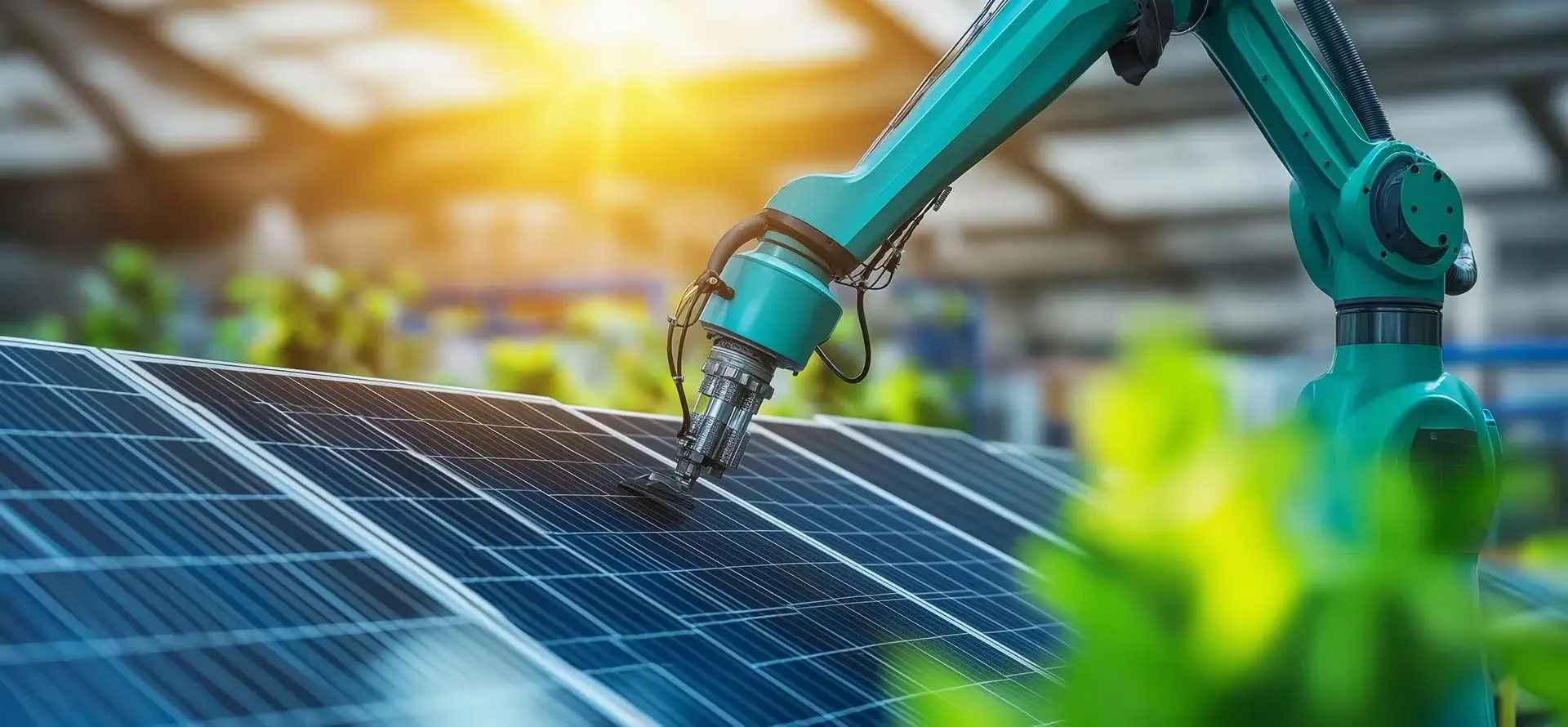
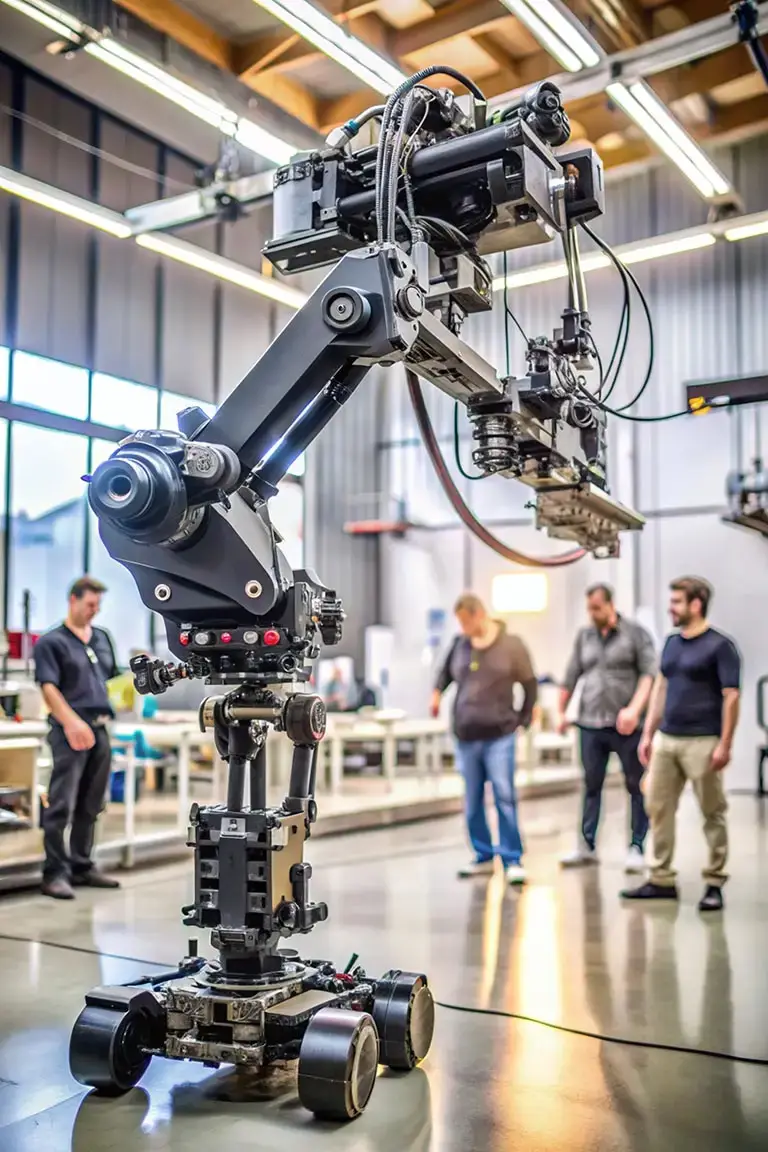
Automation and robotic systems are built to do the same task—accurately and reliably—thousands or even millions of times. Consistent quality and short cycle times depend on far more than software and controls. Mechanical stability, motion accuracy, and long-term durability play a critical role in how well an automation system performs in the real world.
As automation cells become faster, more compact, and increasingly modular, engineering tolerances tighten. Small design decisions around stiffness, alignment, vibration, and thermal behavior can have an outsized impact on uptime and throughput. At Seashore, we support automation and robotics programs with practical engineering solutions that scale with production demands and hold up over long operating lives.
Robotic and automated equipment must hit tight positional targets over millions of cycles. Mechanical designs need to control deflection, backlash, and tolerance stack-up to prevent drift and loss of accuracy over time.
Rapid accelerations, decelerations, and continuous motion introduce dynamic loads that affect both accuracy and structural life. Designs must account for inertia, load paths, and resonance to remain stable at speed.
Automation cells are often constrained by floor space and surrounding equipment. Systems must fit into tight envelopes while still allowing access for tooling, maintenance, and future modifications.
High-mix production environments require systems that adapt quickly to new products or configurations. Designs must support modularity and scalability without requiring extensive rework.
Even small levels of vibration can degrade positional accuracy, surface finish, and cycle time. Structural stiffness and damping need to be addressed early to maintain performance at high speeds.
Heat generated by motors, actuators, and continuous operation can cause dimensional changes over time. Thermal behavior must be understood and managed to preserve alignment and accuracy.