
With the competitive and cost-sensitive nature of current business, organizations are always trying to find solutions that will help them produce high quality products at a manageable cost. Value Engineering (VE) is one of the methodologies that have been known to deliver both goals. Value engineering is not just about the reduction of costs but is done holistically by looking at the functionality of products, their design efficiency, and any cost that is not necessary.
Value engineering can be stated as a methodical procedure in which the functions of products are examined to provide the needed performance> at minimal expenses that do not jeopardize quality or dependability. Through value as a ratio of function to cost, companies are able to achieve the optimum between design excellence and cost effectiveness.
This blog examines the benefits of value engineering in terms of lowering expenses of the products and also improving the quality of design.
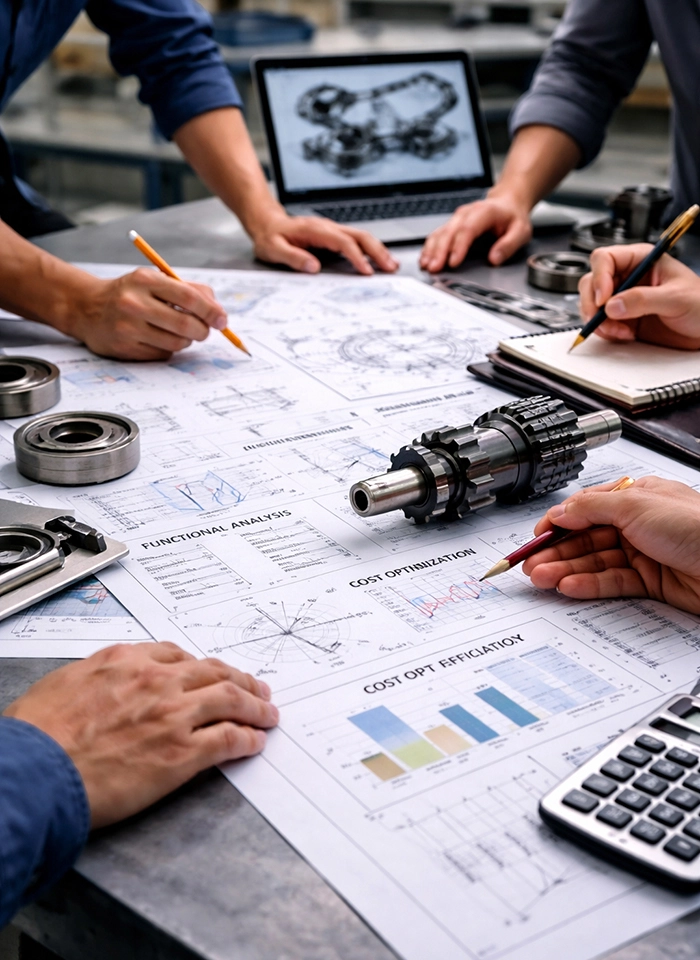
Understanding Value Engineering and Its Core Principles
Value engineering is not simply a matter of cutting costs but it is a matter of maximizing value. The strategy is aimed at enhancing the correlation between the functionality and the cost of a product.
In essence, value engineering focuses on:
- Functional analysis: what every part does.
- Cost optimization: finding the unnecessary costs.
- Design efficiency: the efficiency of design.
This is aimed at making sure that each component of a product serves a purpose in its meaning. In case a component is not value adding, then it is adjusted, changed or discarded.
Value engineering also implies that costs are optimized compared to the traditional cost-cutting methods, which might compromise the quality of performance and reliability, although value engineering keeps these levels stable or even high.
How Value Engineering Identifies and Eliminates Unnecessary Costs
Value engineering can save cost of a product by creating design and production inefficiency as one of the major ways.
A lot of products are generally over-engineered i.e., they contain features, materials or processes that are unnecessary to the final user. It leads to an increase in production costs, with no benefits attached to them.
Value engineering addresses it by:
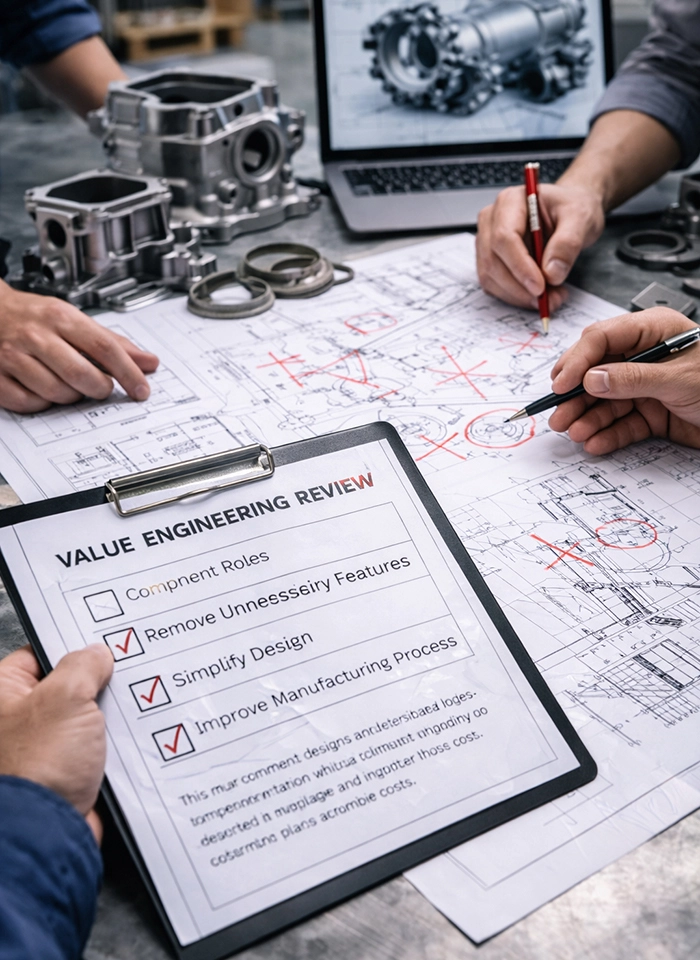
- Describing the role of every component.
- Elimination of unnecessary features
- Streamlining complicated designs.
- Improvement in manufacturing processes.
To illustrate, a product can incorporate the use of expensive materials when there are alternative materials which can be used at lower costs and yield the same performance. The replacement of smart materials can greatly cut costs without compromising quality by the companies.
Also, literature indicates that inefficiency in planning and processes may result in significant wastage of costs and value engineering is therefore indispensable in getting rid of unnecessary costs.
Enhancing Product Design Through Functional Optimization
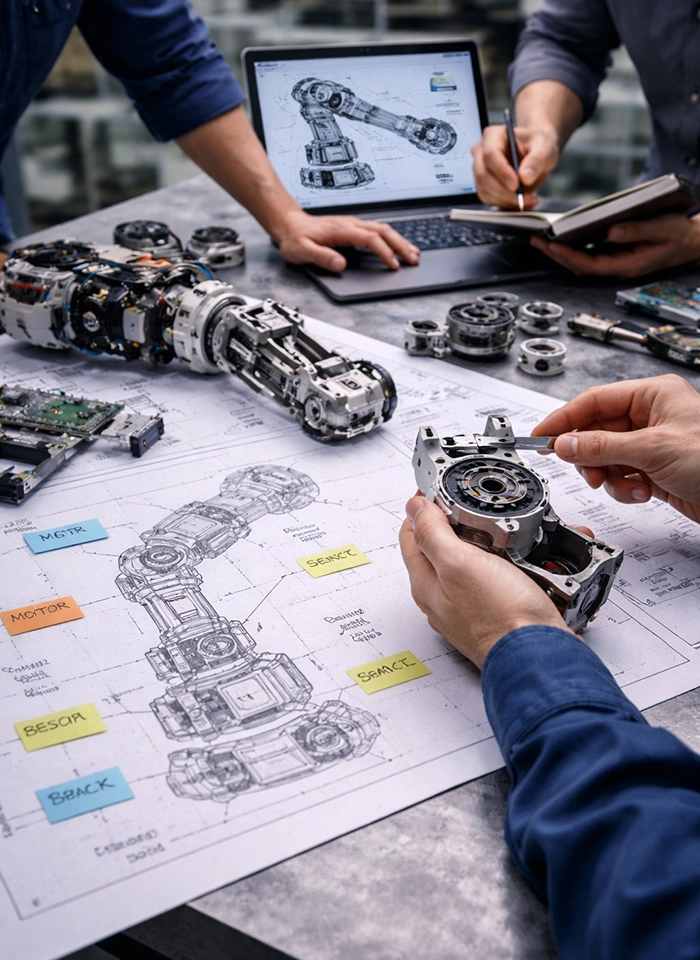
Value engineering enhances product design by looking at the functionality instead of simply looking at structure or looks alone.
Value engineering poses the question, What does this component do? instead of asking, What is this component?
Such a paradigm shift will allow teams to:
- Integrate several different functions into one element.
- Reduce part count
- Enhance user experience and functionality.
- Increase performance and longevity.
Re-designing a single component to be used in several functions can help remove the use of extra components. This not only saves money but also makes assembly cheaper and increases the reliability of the product.
Value engineering results in innovative design solutions in many cases performing better than the original design but at a cheaper cost.
The Role of Material Selection and Process Optimization
The process and the choice of the material are crucial in the cost and quality of the products. Value engineering weighs the two too closely so that an optimum level is achieved with the minimum expense.
This involves:
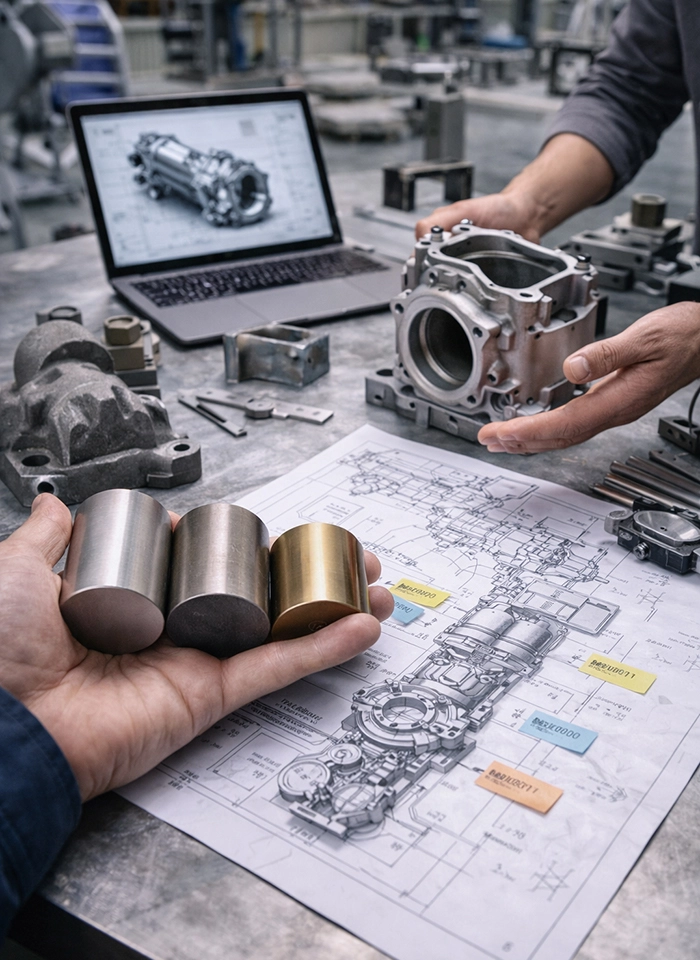
- Obtaining alternative materials which are cost effective.
- Considering lifecycle costs as opposed to initial cost.
- Efficiency in production methods.
- Minimizing production wastes.
To explain, by choosing a material slightly different, weight can be decreased, durability can be enhanced, and the cost of production can be reduced at the same time.
Furthermore, value engineering motivates companies to take into account long-term aspects, including maintenance, durability and sustenance. A less expensive material is not necessarily the best option where it will generate a high lifecycle cost.
Organizations can make smarter design decisions contributing value to both the business and the customer by considering total value, as opposed to initial cost.

Driving Innovation and Cross-Functional Collaboration
Value engineering is a team effort. It unites engineering, design, procurement, manufacturing and finance teams to assess products in several different messages.
With this cross-functional approach comes:
- More innovative ideas
- Better problem-solving
- Faster decision-making
- Improved product outcomes
In value engineering, the teams brainstorm to come up with alternative solutions. The ideas are then checked in relation to cost, performance, and feasibility.
This systematic and creative method promotes creativity. Rather than merely cutting costs, teams find other innovations to enhance products and user experience and stand out among their competitors.
Value engineering, thus, serves as cost-cutter and a driver of innovation.
Importance of Early Implementation in Product Development
When value engineering is done is another important aspect. Value engineering initiated at an early stage in the design process produces the best benefits.
At the early stages:
- A change in design is simpler and cheaper.
- There are several possibilities to consider.
- Cost drivers may be handled in advance.
The further a product is developed or produced, the more challenging and expensive it is to make changes to the product. Modifications made late in the development process can even have an adverse effect on the value of the product.
Studies indicate that early-stage decision making would affect the cost-optimization most and the product-design more, and therefore value engineering is most effective when considered early in the product lifecycle.

Balancing Cost, Quality, and Customer Value
The true strength of value engineering lies in its ability to balance cost reduction with quality and customer satisfaction.
Instead of focusing solely on reducing expenses, value engineering ensures that:
- Product functionality meets user needs
- Quality and reliability are maintained
- Customer expectations are exceeded
By aligning design decisions with customer value, businesses can create products that are both cost-effective and competitive in the market.
This balance is essential in modern industries, where customers demand high-quality products at reasonable prices.
Conclusion: Achieving Smarter Design and Cost Efficiency with SeaShore Solutions
To choose an appropriate method of product optimization, one needs to be aware of efficiency in designing, the cost structure, and the expectations of the customer. Organizations can develop higher value product at a lower cost by considering factors like functionality, working materials selection, and costs across the product lifecycle.
Value engineering offers a well-managed and time-tested model of accomplishing this balance such as assisting companies to minimize unneeded expenses, enhance product design, and innovate.
When an organization wants to adopt value engineering to achieve the desired results, collaboration with professionals can be of great importance. SeaShore Solutions is a consulting company specializing in engineering and consulting services tailored to maximize product value, streamline product design and improve cost efficiency.